Bear: The Colorful Typeface with a Warm, Friendly Vibe
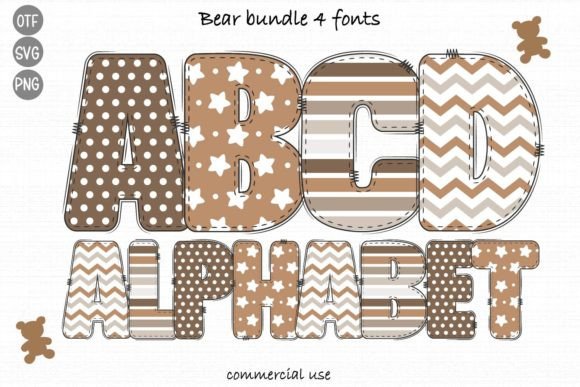
There’s a certain warmth to the Bear font that you feel the moment you see it. It’s not just another typeface; it’s a creative asset that brings a sense of charm and approachability to any project it touches. As a display font, Bear is designed to be the star of the show, capturing attention with its lovely, hand-drawn aesthetic. It’s the kind of creative font that makes a design feel instantly more personal and inviting, perfect for anyone looking to add a friendly touch to their work.
A Typeface with Personality and Purpose
Visually, Bear is a handwritten font that leans into a soft, rounded style. Its characters often feature gentle curves and a slightly irregular baseline, mimicking the natural flow of pen on paper. This gives it a distinctly human quality, far removed from the rigid precision of a geometric sans serif font. The overall personality is playful yet sophisticated—it’s cute without being childish, and stylish without being cold. This balance is what makes it so versatile. It can feel cozy for a holiday card or elegant for a boutique logo.
The charm of Bear lies in its ability to communicate warmth directly through its form. Unlike a traditional serif font that might convey authority, or a stark sans serif that screams modern minimalism, Bear whispers of craftsmanship and care. This makes it an excellent choice for projects where building a genuine connection with the audience is key. It’s a premium font that understands the value of emotional resonance in design.
Where Bear Truly Shines: Practical Applications
Thinking about where to use Bear? Its friendly nature makes it exceptionally adaptable. For entrepreneurs and small business owners, it’s a fantastic tool for logo design, especially for brands in the lifestyle, children’s, food, or artisanal spaces. A bakery, a craft brewery, or a handmade soap company could use Bear to create a logo that feels authentic and welcoming.
In the world of packaging design, Bear can make a product stand out on a crowded shelf. Imagine it on a jar of homemade jam, a box of gourmet cookies, or a bag of specialty coffee. The font’s personality helps tell the product’s story before the customer even reads a word. It’s equally effective for social media graphics, where a quick, friendly message needs to pop in a fast-scrolling feed. Use it for Instagram quotes, Facebook event announcements, or Pinterest pins to add a personal, engaging touch.
For those in publishing and editorial design, Bear can be a secret weapon for section headers, pull quotes, or feature titles in magazines and blogs. It breaks up the monotony of body text and draws the reader’s eye. It’s also perfect for personal projects like wedding invitations, holiday cards, or wall art prints, where a touch of handcrafted elegance is desired. The font’s versatility even extends to merchandise like T-shirts and posters, proving its strength as a reliable commercial font.
Making Bear Work for Your Brand Identity
Choosing a font like Bear is a strategic decision that influences how your brand is perceived. A consistent, friendly typeface helps build a recognizable brand identity. When your audience sees that warm, approachable Bear font across your website, packaging, and social media, it creates a sense of familiarity and trust. This consistency is a cornerstone of professional design, turning a simple typeface into a core component of your visual language.
However, readability is paramount. While Bear is a stunning display font, it’s best suited for headlines, titles, and short bursts of text. For longer paragraphs, pair it with a clean, highly readable sans serif font or a simple serif font. This creates a balanced visual hierarchy, where Bear grabs attention and the supporting font ensures the message is easily digestible. Testing font pairing is a crucial step—see how Bear interacts with fonts like Montserrat, Lato, or even a classic like Garamond.
Before committing, always review the font’s full character set and licensing. Check that it includes all the punctuation, numerals, and special characters your project requires. If you plan to use it for client work or products you sell, ensure you have the appropriate commercial font license. Many premium fonts come with different tiers, so reading the fine print is a mark of a professional. By thoughtfully integrating Bear into your design toolkit, you’re not just choosing a font—you’re selecting a partner that helps your projects communicate with heart and clarity.