Unleashing the Wild: The Tiger Skin Font for Safari Themes
The Anatomy of a Roar: What Makes Tiger Skin Unique
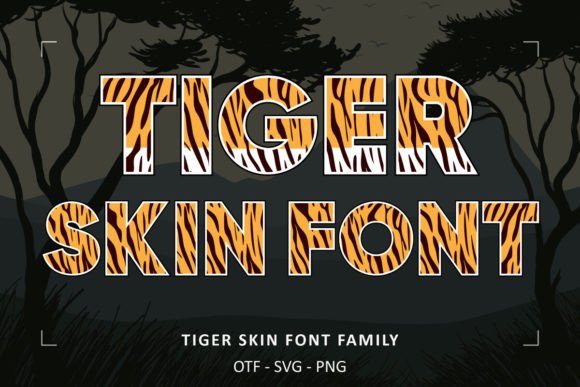
There is a specific energy required to capture the essence of the jungle in a design project. You aren't just looking for a font; you are looking for a voice. This is where the Tiger Skin typeface enters the conversation. It is not merely a set of characters arranged in a line; it is a textured, visual statement. Crafted specifically to mimic the organic, irregular patterns of a tiger’s coat, this premium font brings a tactile quality to the screen and page. Unlike standard vector typography that relies on flat colors and sharp edges, Tiger Skin utilizes a creative font approach where the fill of the letterform is the texture itself.
Visually, the typeface strikes a balance between a bold display font and a decorative asset. It avoids the rigidity of geometric sans-serifs, opting instead for a style that feels hand-rendered and slightly aggressive. The "stripes" within the letters are not uniform; they vary in thickness and angle, mimicking the natural asymmetry of fur. This gives the typography a sense of movement, even when static. For a designer, this means you are dealing with a font that has built-in character. It doesn't need heavy effects or drop shadows to stand out. The texture provides enough depth to hold its own against busy backgrounds, particularly in safari animals-theme ideas or nature-inspired compositions.
The personality of Tiger Skin is undeniably bold. It speaks of adventure, untamed nature, and primal strength. However, it also carries a playful undertone that prevents it from feeling threatening. This duality makes it versatile. It can look fierce on a poster for a music festival, but it can also look whimsical on a children's book cover. The key to appreciating this typeface lies in understanding that it is a "color font" by nature of its design. Even if you change the color of the text in your software, the inherent texture pattern remains, creating a dynamic interplay between the base color and the implied "stripes" of the fur.
Strategic Applications: Where the Wild Things Are
When you integrate a creative font like Tiger Skin into your toolkit, you need to know where it shines brightest. Because of its high level of detail and distinct personality, it is rarely the right choice for body copy. You wouldn't want to read a 500-word blog post in this style. Instead, its strength lies in high-impact, low-word-count applications.
Branding and Logotypes
For logo design, Tiger Skin offers an immediate visual shorthand for brands associated with outdoor adventure, extreme sports, pet care, or exotic goods. If you are a small business owner creating an identity for a safari tour company or a specialty coffee brand named after the jungle, this font does the heavy lifting. It establishes the mood instantly. When used in brand identity, it pairs exceptionally well with clean, minimal sans serif fonts. Imagine a sleek, modern logo where the icon or wordmark uses Tiger Skin, while the supporting text uses a neutral typeface like Montserrat or Helvetica. This contrast prevents visual clutter and ensures the brand looks professional rather than chaotic.
Editorial and Publishing
In the realm of editorial design, this typeface is a powerhouse for headlines. Whether you are designing a magazine spread about wildlife conservation or a book cover for a thriller set in the Amazon, the font grabs the reader's attention on the newsstand or digital shelf. It is particularly effective in comics and cartoons, where the typography often needs to be expressive and almost onomatopoeic. A title rendered in Tiger Skin suggests a story that is vibrant, dangerous, and full of life.
Digital and Merchandise
The utility of Tiger Skin extends heavily into the apparel industry. Streetwear brands and vintage-style t-shirt designers often rely on textured, distressed fonts to give garments a lived-in feel. Tiger Skin fits this niche perfectly, offering a pattern that looks good on cotton and canvas. Furthermore, in social media graphics and web design, the font serves as an excellent tool for hero banners. It creates a focal point that can reduce the need for additional imagery, speeding up load times while maintaining visual impact.
Practical Implementation: Pairing, Hierarchy, and Licensing
Adopting a specialized font like Tiger Skin requires a strategic approach to modern typography. The most common mistake creatives make is letting the font do all the talking. If your headline screams "wild," your supporting text needs to whisper "logic." This is the art of font pairing.
Creating Visual Harmony
To maintain visual hierarchy, pair Tiger Skin with a neutral typeface. A geometric sans serif font is usually the safest bet, as it provides a clean counterpoint to the organic texture of the tiger stripes. If you are going for a more rustic or vintage vibe, you might pair it with a sturdy serif font, but ensure the serif is simple enough not to compete with the texture. Avoid pairing it with other decorative or script fonts; the result will almost certainly be illegible and overwhelming. The goal is readability and flow, not a competition for attention.
Evaluating Project Fit and Readability
Before committing to Tiger Skin for a commercial font project, print it out or view it at the actual size it will be used. Because the texture simulates fur, small sizes can cause the "stripes" to blur together, turning the text into a muddy blob. It performs best at larger scales where the eye can distinguish the individual marks. If you are using it for packaging design, test it against the background color. High contrast is essential. A dark version of the font works best on light, solid backgrounds, while lighter variations need dark backdrops to preserve the integrity of the pattern.
Licensing and Commercial Use
For entrepreneurs and marketers, the legal aspect of design assets is just as critical as the aesthetic. When acquiring Tiger Skin, you must verify the license type. If you are using it for personal projects—like a birthday invitation or a desktop wallpaper—a personal license suffices. However, the moment you use it for a client's logo, a product for sale (like a t-shirt), or a corporate brochure, you need a commercial license. Always review the End User License Agreement (EULA) to ensure it covers your specific usage, particularly regarding apparel or large-scale print runs. Respecting the license protects your business and supports the type designers who create these intricate design assets.
The Verdict on Wild Typography
Tiger Skin is more than just a novelty; it is a specialized tool for specific creative challenges. It excels when you need to convey energy, nature, and distinctiveness without relying on stock imagery. By using it sparingly and pairing it thoughtfully, you can elevate a standard project into something memorable. Whether you are a crafter making party supplies or a publisher designing a cover for the next bestseller, this display font offers a slice of the wild that is hard to replicate with standard typography. It reminds us that in design, sometimes the best way to stand out is to embrace a little bit of the jungle.