Bunny Heart: A Typographic Creation with Colorful Character
When you're building a brand, designing a poster, or crafting social media content, the font you choose does more than just display words. It carries personality. It sets a mood before a single sentence is read. Bunny Heart is a typeface that understands this completely. It's not just a collection of letters and numbers; it's a visual statement, built with a specific, eye-catching personality in mind.
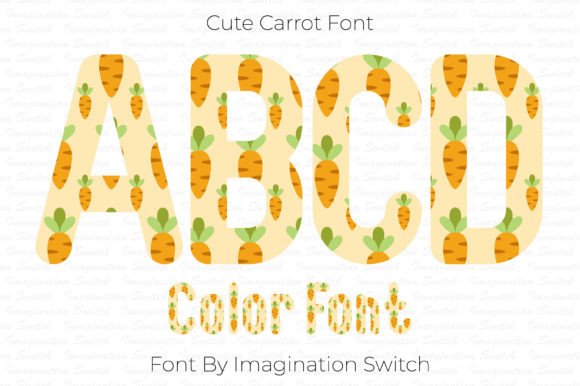
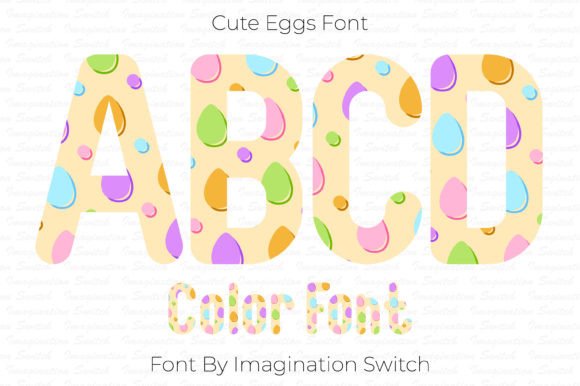
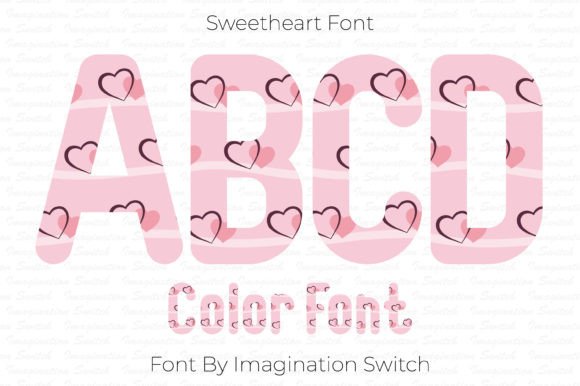
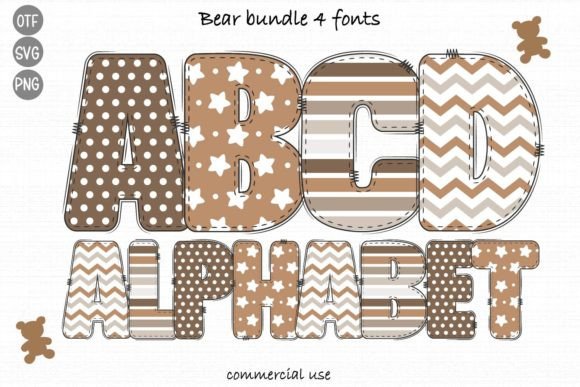
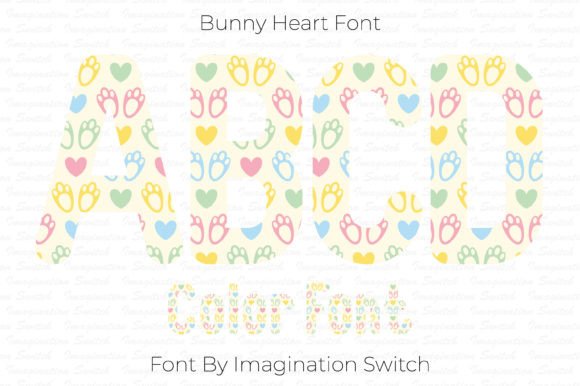
At its core, Bunny Heart is a display font. This means it's designed for impact, for headlines, logos, and moments where you need text to grab attention. But what sets it apart is its integrated color palette. Each character—uppercase, lowercase, and number—has been meticulously designed with a carefully chosen color, creating a cohesive yet dynamic visual texture. Imagine typing a word and seeing it rendered not just in a unique shape, but in a curated blend of colors. This isn't a standard serif font or a clean sans serif font; it's a creative font that injects immediate vibrancy and a modern, playful energy into any project.
Where Bunny Heart Truly Shines
Understanding a font's personality is one thing; knowing where to deploy it is another. Bunny Heart's strength lies in projects where visual appeal and brand recognition are paramount. Think of it as a design asset for making a memorable first impression.
- Branding and Logo Design: For businesses targeting a youthful, creative, or energetic audience, Bunny Heart can become the cornerstone of a brand identity. A logo set in this typeface instantly communicates fun and modernity. It works exceptionally well for children's brands, boutique shops, event planners, or any startup wanting to stand out from corporate minimalism.
- Packaging and Product Design: On a shelf or a website, packaging needs to pop. Using Bunny Heart for product names or key messaging on labels, boxes, or bags can create an irresistible shelf presence. The inherent color variation can even complement or contrast with the product's own packaging design, creating a cohesive and appealing look.
- Digital and Social Media: In the fast-scrolling world of Instagram, Pinterest, or TikTok, you have seconds to capture interest. Bunny Heart is perfect for creating standout social media graphics, YouTube thumbnails, or podcast cover art. Its visual uniqueness can increase stop-scrolling power and improve audience engagement.
- Editorial and Publishing: While not for body text, it’s a fantastic choice for chapter titles, pull quotes, or magazine cover headlines in editorial design. It adds a layer of visual interest that can elevate a publication's aesthetic, especially for lifestyle, art, or entertainment topics.
- Events and Promotional Materials: From wedding invitations to festival posters and sale announcements, Bunny Heart brings a celebratory and engaging tone. It’s the kind of premium font that makes a flyer or digital ad feel custom-made and special.
Making It Work: Practical Guidance for Designers and Creators
Adopting a display font like Bunny Heart requires a thoughtful approach to ensure it enhances rather than overwhelms your design. Here’s how to integrate it effectively.
Evaluating Fit and Testing Readability
First, consider your project's voice. Is it playful, whimsical, or boldly creative? Bunny Heart fits these profiles perfectly. For a corporate law firm or a medical journal, it would likely be a mismatch. Always test the font in context. Type out the specific words you’ll use—your brand name, a headline—and view them at the actual size they’ll appear. Check the legibility of each character, especially in longer words. The color should aid recognition, not hinder it. Because it's a creative font, it's best used sparingly for maximum impact, not for running text.
Mastering Font Pairings
The key to using a strong personality font is balance. Bunny Heart demands a neutral partner. Pair it with a clean, highly readable sans serif font or a classic serif font for body text, captions, or supporting information. This creates a clear visual hierarchy: Bunny Heart for the headline that grabs attention, and the paired font for the message that delivers the details. For example, a bold, geometric sans serif can ground Bunny Heart's playfulness, while a elegant serif can add a touch of sophistication to its whimsy.
Understanding Its Components
When you invest in a commercial font like Bunny Heart, you're getting a complete design asset. Review the full character set. Does it include the punctuation and symbols you need? Are there stylistic alternates or ligatures that could add extra flair? Knowing exactly what’s included prevents mid-project surprises and allows you to use the typeface to its full potential. Ensure the licensing covers your intended use, whether for a client's logo, merchandise, or digital products.
Color as a Core Feature
The pre-set colors are integral to Bunny Heart's identity. While some advanced users might explore editing them, the default palette is a key part of its charm. Use this to your advantage. Let the font's colors influence your broader color scheme, or use it as a vibrant accent against a more subdued background. This turns typography into a central part of your modern typography strategy, where the font itself is a design element.
In the end, Bunny Heart is more than just a handwritten font or a script font alternative. It's a specialized tool for injecting personality and visual excitement into specific moments in your design work. Used thoughtfully, it can transform a standard project into something truly unforgettable, adding that unique color touch that makes your message not only seen but felt. It’s a reminder that in design, the details—like the heart and soul put into a typeface—make all the difference.